On February 27, NASA Administrator Jared Isaacman announced a sweeping restructuring of the Artemis program, America's plan to return astronauts to the moon.
The biggest change: SpaceX's Starship will now handle the job that was supposed to belong to Boeing.
Under the original plan, Boeing's Space Launch System rocket would carry astronauts aboard the Orion capsule all the way to lunar orbit. Starship would meet them there and take them down to the surface.
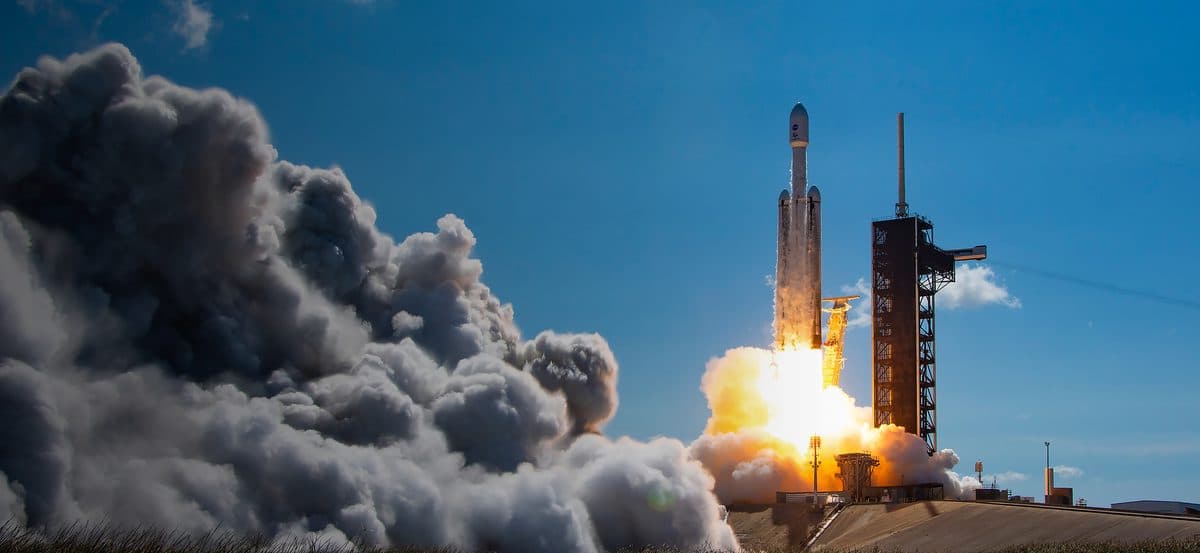
That's no longer the plan. Now Starship and Orion will dock in Earth orbit, and Starship will carry the capsule and its crew the entire way to the moon.
Boeing's SLS has been reduced to a launch vehicle for getting Orion into Earth orbit. The critical, high-value task of lunar transit now belongs entirely to SpaceX.
Why NASA Made the Switch
The math made it unavoidable.
Each SLS mission costs over $4 billion. Boeing has been plagued by delays, cost overruns, and safety concerns across its aerospace division. The Artemis program was years behind schedule.
SpaceX's Starship, by contrast, is designed to be fully reusable. The economics are fundamentally different. NASA's logic is straightforward: why spend $4 billion per launch when a reusable alternative exists?
Bloomberg reported the decision as a "blow to Boeing" and a major expansion of SpaceX's role in America's space infrastructure.
What This Means for the IPO
SpaceX was already the dominant force in commercial launch. 134 missions last year. 84% of all satellite mass delivered to orbit. Starlink generating $6.6 billion in annual revenue.
Now add NASA's flagship human spaceflight program to the portfolio.
The company's valuation has jumped from $1.5 trillion to $1.75 trillion in just the last few weeks. Analysts say the IPO could raise $50 billion, setting a global record. Goldman Sachs, JPMorgan, Morgan Stanley, and Bank of America are underwriting.
The NASA decision doesn't just add revenue. It adds something harder to quantify: institutional trust. When the United States government bets its moon program on your rocket over Boeing's, that's a signal the market will price in.
The Window Is Narrowing
The confidential S-1 filing could come any day. Bloomberg reported SpaceX was weighing it as early as March. Prediction markets put the odds of an IPO announcement before August at over 80%.
One former tech executive who called Bitcoin at $240, Nvidia in 2016, and Tesla early has published a free presentation explaining how everyday investors can position before SpaceX goes public, starting with as little as $500.
The presentation covers his complete thesis, the risks, and why he believes most analysts are still valuing SpaceX wrong.