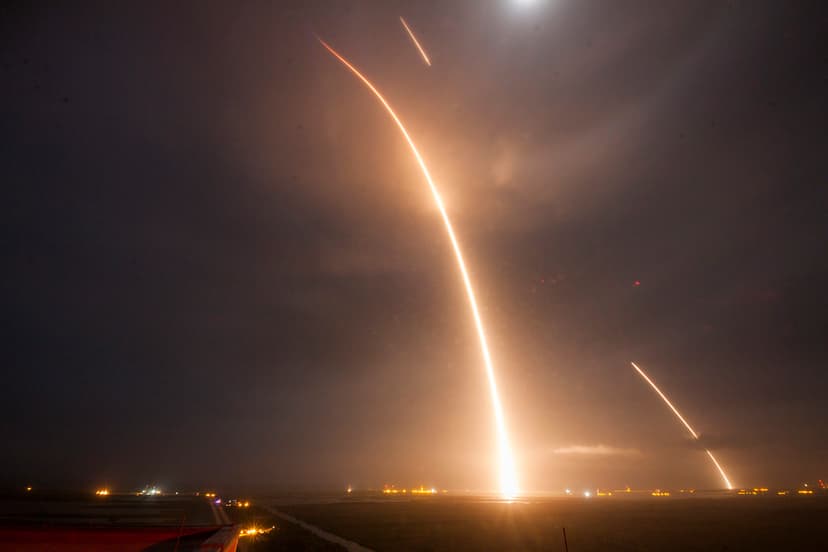
Nvidia can't ship GPUs fast enough. Microsoft is restarting a nuclear reactor just to power one data center. Amazon is buying entire power plants. And the industry is still falling behind.
AI's biggest bottleneck isn't compute. It's electricity.
Global AI data centers are projected to consume more power than most countries by 2028. Cooling alone accounts for 40% of operating costs. Every major tech company is scrambling for the same limited resource — and the math doesn't work.
One company just filed a plan to bypass the problem entirely.
The Filing Nobody Expected
In February 2026, SpaceX merged with xAI, Elon Musk's artificial intelligence company. Combined valuation: $1.25 trillion.
Weeks later, the combined entity filed a proposal with the FCC for one million orbital AI satellites. Each one designed to function as a data center powered entirely by solar energy.
Unlimited power. Passive cooling in the vacuum of space. No terrestrial limitations on scale.
While every other AI company is fighting over the same electrical grid, SpaceX is building above it.
Already Dominant — Before the AI Pivot
SpaceX completed 134 orbital launches last year. More than every other nation on Earth combined. It controls 84% of all satellite mass delivered to orbit. Starlink serves 10 million subscribers with revenue growing from $1.4 billion to over $6.6 billion in two years.
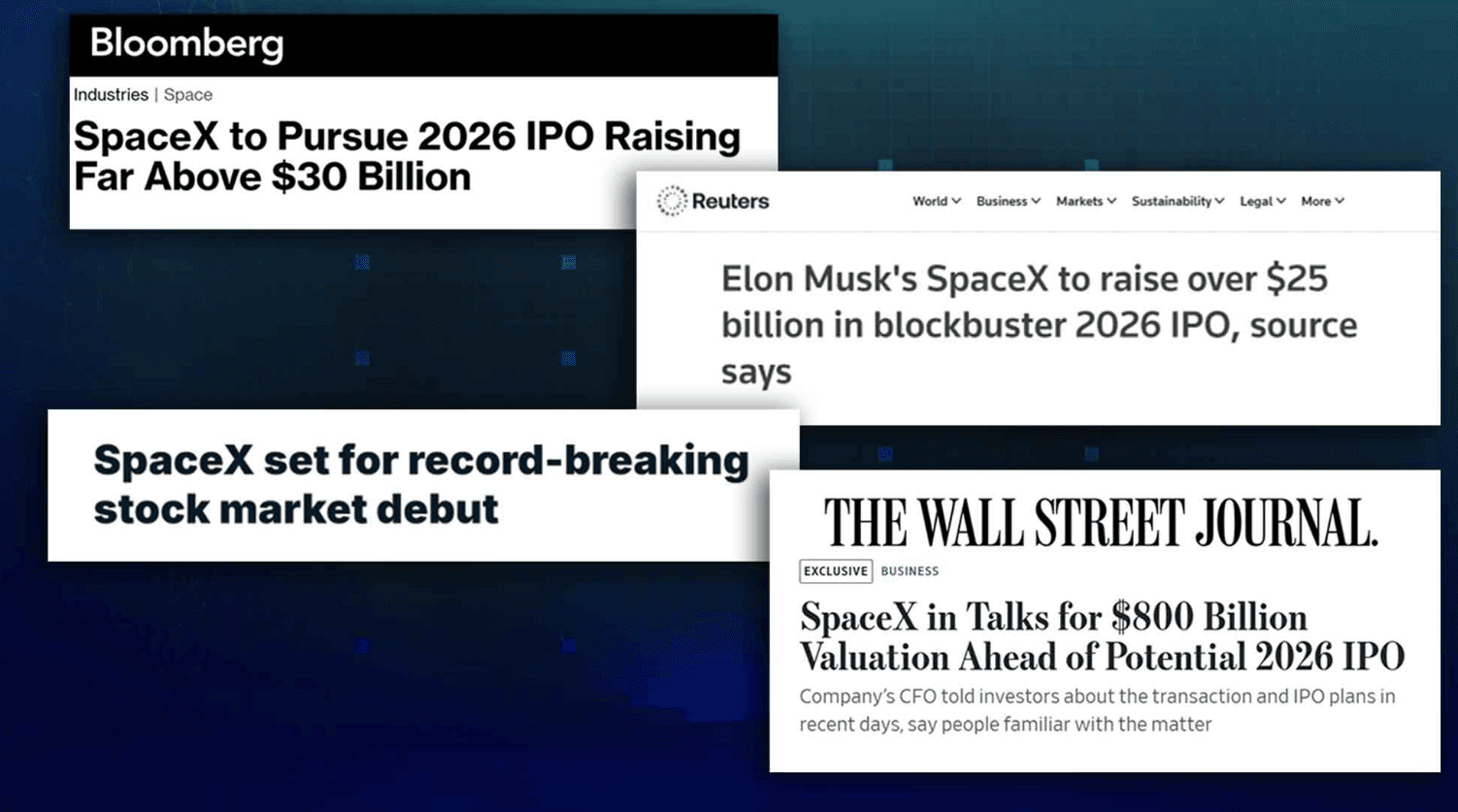
CNBC called the expected SpaceX IPO "the big market event of 2026." Forbes says it could be the biggest public offering in history. Goldman Sachs, JPMorgan, Morgan Stanley, and Bank of America are underwriting.
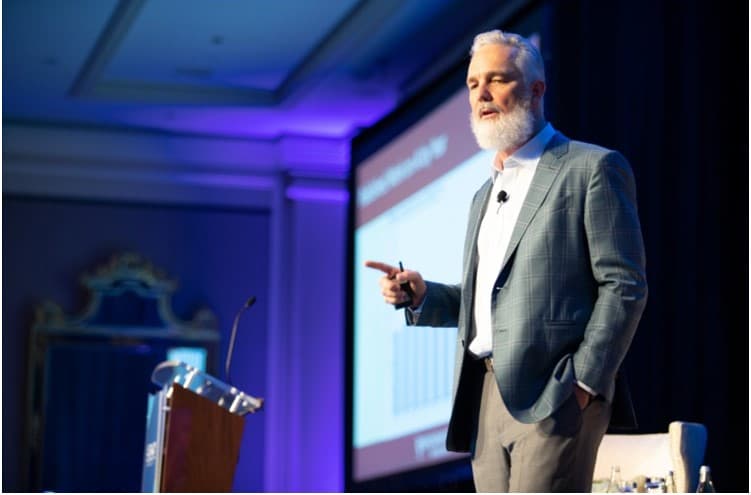
And Jeff Brown — a former senior executive at Qualcomm and NXP who called Bitcoin at $240, Nvidia in 2016, and Tesla early — says most investors are still valuing SpaceX as a rocket company. They're wrong.
Brown's Full Analysis — Free, for Now
Brown recently published a free video presentation covering his complete SpaceX research — the AI pivot, the orbital infrastructure thesis, how everyday investors can position starting with $500, and the risks.
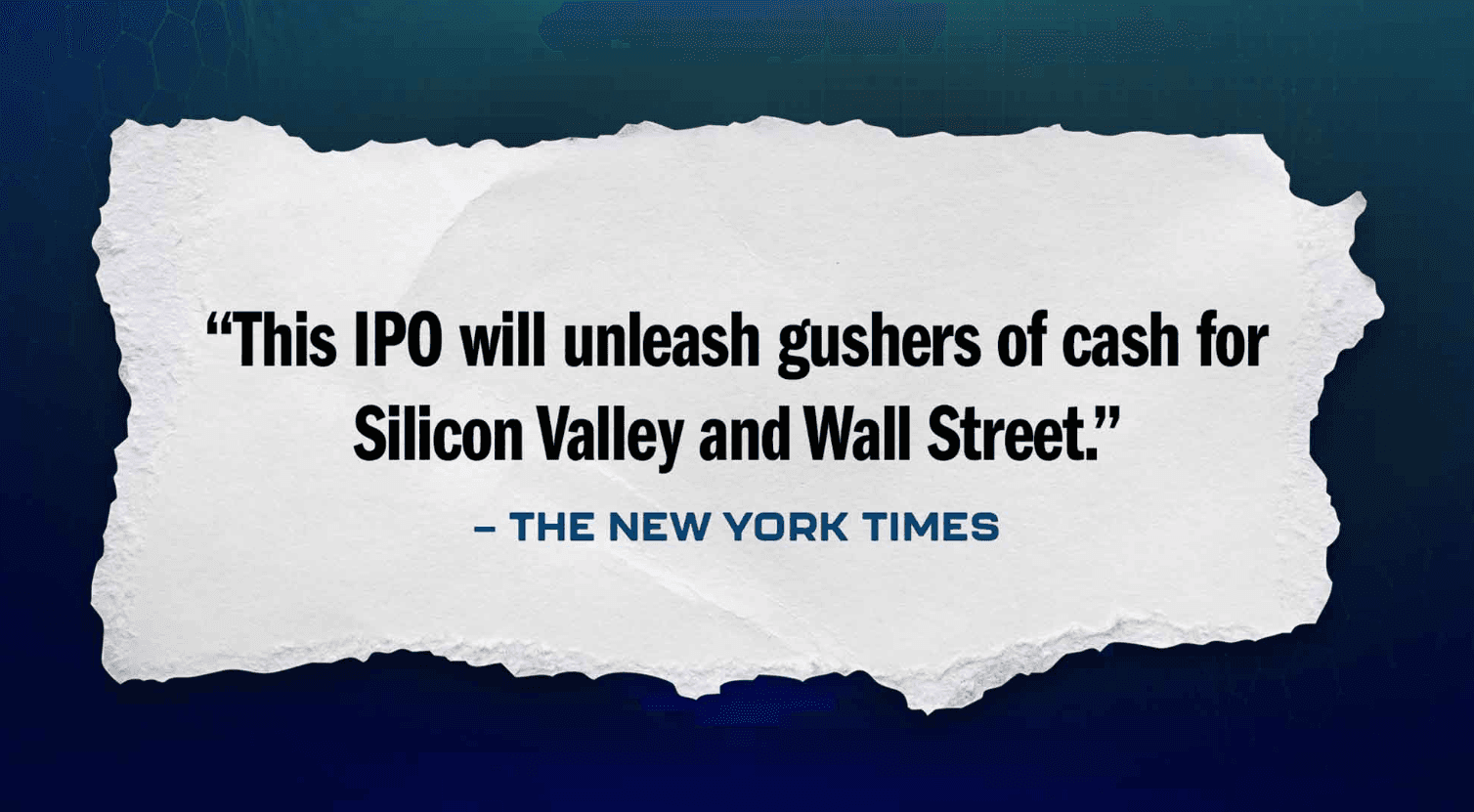
Once the S-1 is filed, the window closes. That filing could come any day.